


Beauty Secrets from the 17th Century
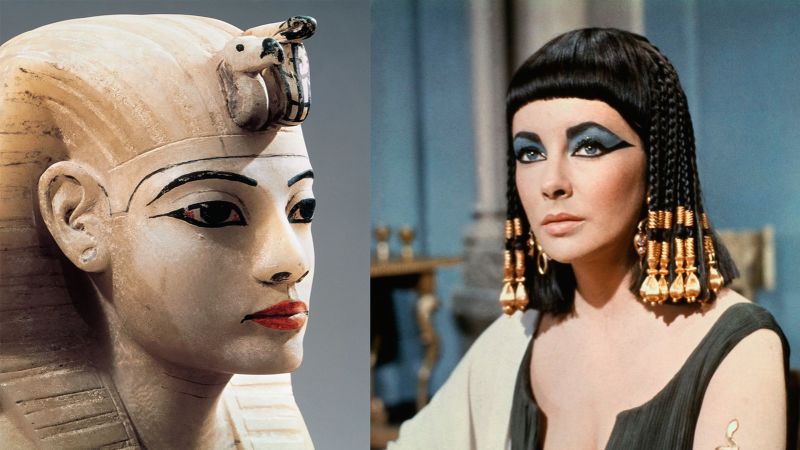
Since ancient times, women have sought to enhance their beauty using various methods and beauty standards. From the elaborate eye makeup of ancient Egyptians to the sharp facial features, thick eyebrows, and full lips popular today, women have strived to meet these standards, sometimes using dangerous methods like corsetry, tight bodices, and toxic chemicals. Today's beauty trends might seem over the top, but let's explore what happened in the 17th century.
1. Pale skin was the height of beauty
Nowadays, women often visit tanning salons and beaches to darken their skin. However, in the 17th century, the trend was to have ashen skin, influenced by nobility and religious beliefs. People considered women with pale skin to have a higher status because they did not work outdoors in the sun all day. Pale skin also had religious significance, symbolizing moral purity, innocence, honesty, and cleanliness.
So, how did 17th-century women achieve such pale complexions? They employed various methods to avoid sunlight exposure. Women used parasols and umbrellas, oriented their toilets northward to avoid sunlight, avoided washing their faces in the morning to prevent sun sensitivity, and even wore masks to protect their skin.
2. Secrets to Skincare
Beyond avoiding the sun, 17th-century women used makeup and ointments to lighten their skin. White powders derived from plants or minerals, such as starch, wheat, and rice—ingredients found in the kitchen—often made up the makeup of that era. Some powders contained more chemicals, including metals like mercury, bismuth, or lead. While we now know these metals are toxic and harmful to the body, in the 17th century, lead carbonate was believed to treat various skin conditions, hide imperfections, remove spots, and whiten the face.
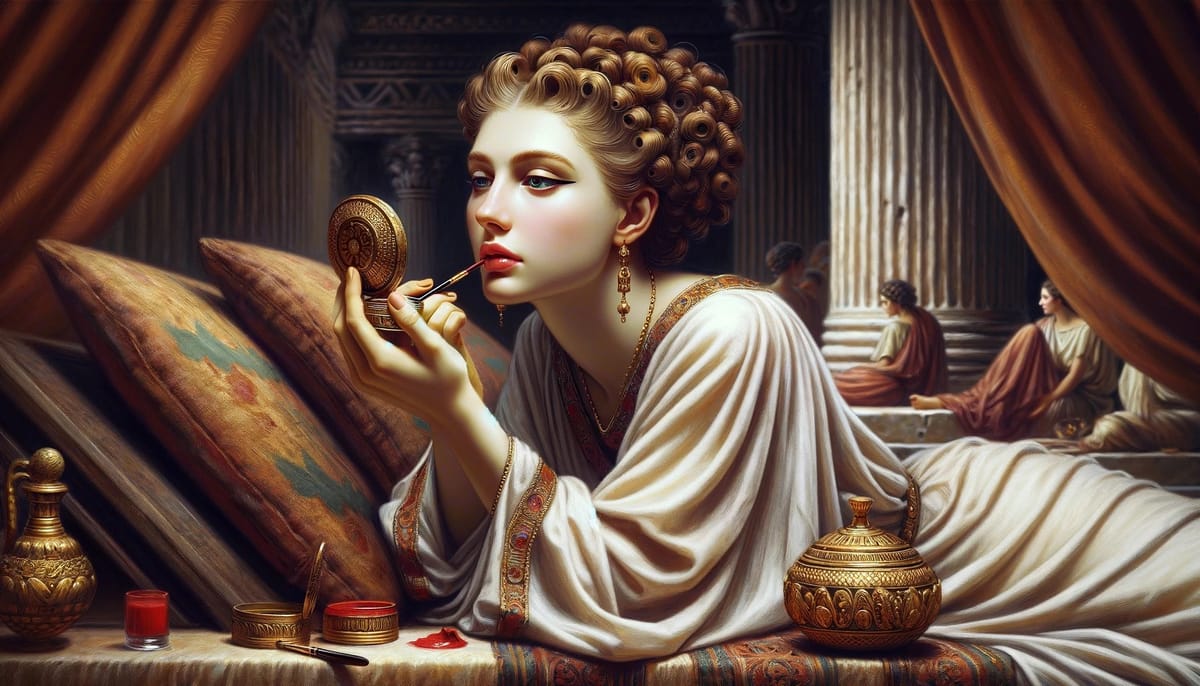
You're right if terms like "corroding growth" and "face whitening" sound harsh and unsafe. The use of these substances in cosmetics led to high rates of lead and mercury poisoning in the 17th century. Women often face severe consequences like hair loss, eye inflammation, tooth decay, and, ironically, darkened skin instead of the desired whitening. Sadly, in many cases, the use of these products even led to death, giving new meaning to the phrase "beauty is pain."
But what about women who didn't want to apply strong chemicals and substances to their skin? In the 17th century, cosmetics also included organic products. Many ointments use products from the gourd family, like pumpkin, squash, and mashed cucumber, to provide soothing and refreshing effects. In the 16th century, people used cucumbers for similar purposes. Throughout the next century, more water and cosmetics contained extracts from the oil family, especially ointments that reduced redness and refreshed the skin. This, indeed, was a 17th-century SPA experience.
3. What Made 17th-Century Makeup Unique?
Although a white complexion was the primary trend in the 17th century, women added red to their lips and cheeks for a pop of color. Mercury often gave this paint its red-orange hue. They found numerous inventive methods to produce red pigments, such as employing cochineal, an insect-derived dye. Other sources included sawdust from redwood, Brazilwood, and other plant-based materials. Women who felt self-conscious about skin imperfections could cover them with small decorative patches.
Conclusion: Exploring 17th-century beauty secrets offers insights into cultural history and provides valuable hints for today's beauty care. While modern methods have replaced some ancient beauty concepts, these documents will remain helpful for future research into more advanced beauty products. Remember to follow Tina Horizon for the latest beauty tips and news.
News in the same category



 Loading ...