


Are you concerned about lip fillers? Here's what you need to know
1. What are lip fillers?
Lip fillers (lip augmentation) are among the most popular non-invasive cosmetic treatments for those seeking fuller, youthful-looking lips. Lip fillers are gel-like substances, often made from hyaluronic acid, injected into the lips to enhance their shape and volume. Lip fillers are temporary, lasting from six months to two years, depending on the type and other factors.
2. Are lip fillers harmful?
Lip injections (lip fillers) are safe when performed correctly and professionally. To ensure a safe and successful lip filler, you must pay attention to the materials the cosmetic facility will use for your treatment.
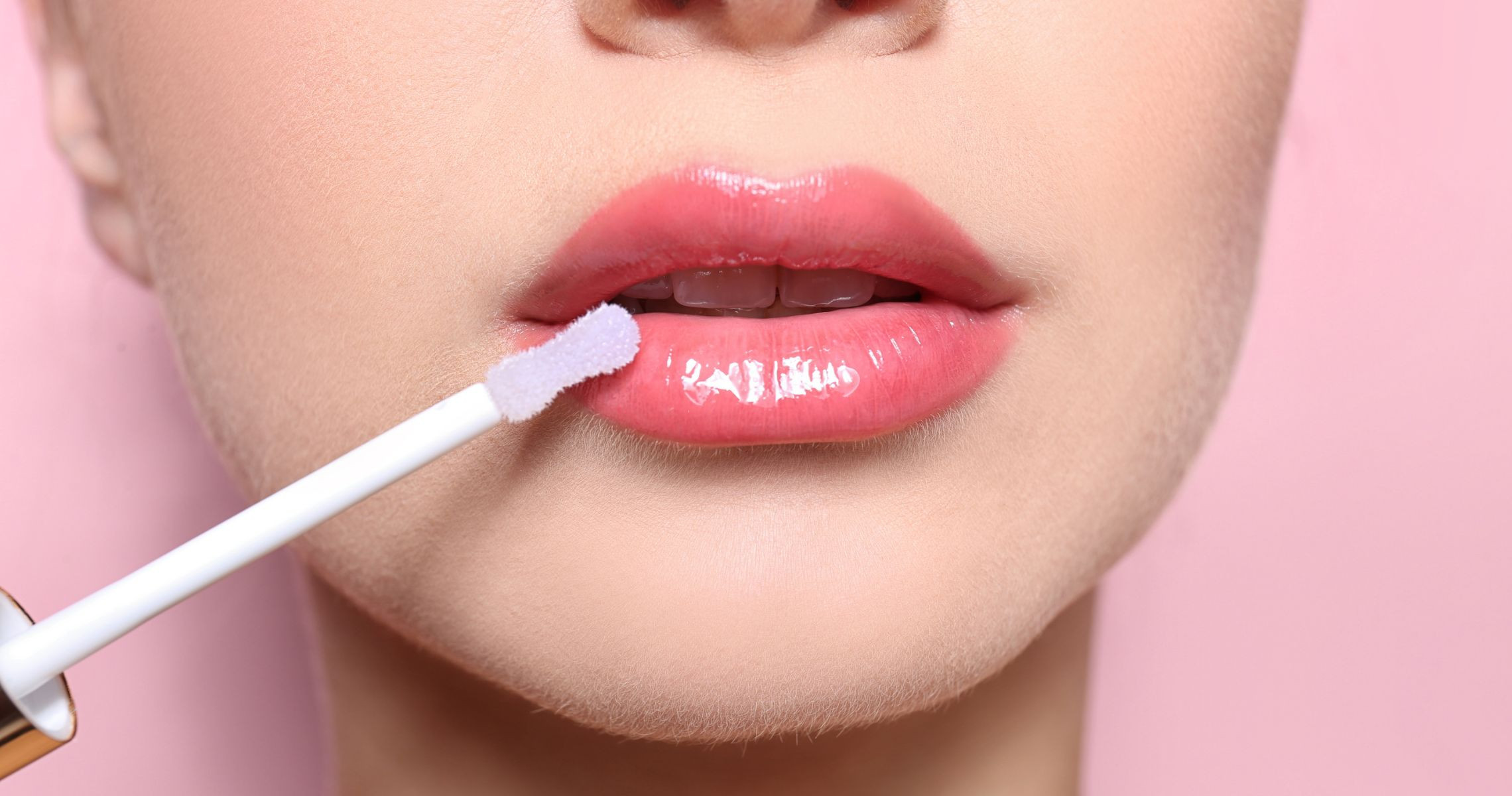
When considering lip injections, first, we want you to consider the product your provider uses. Anything they use must be approved by the FDA (U.S. Food and Drug Administration) and listed as one of the designated uses for lip enhancement. The best and most recommended lip fillers are hyaluronic acid fillers, including Juvederm and Restylane. These fillers provide consistent and predictable results, have a shallow risk of side effects, and allow for a quick recovery time after treatment. Also, hyaluronic acid fillers can be easily adjusted if you dislike your lips after the procedure.
3. Things to Consider Before Getting Lip Fillers
In the 48 hours before getting lip fillers, you absolutely should not:
- Smoke
- Drink alcohol.
- Use blood thinners (aspirin or ibuprofen).
- Follow a strict diet.
- Use vitamin E or fish oil (these can thin the blood, leading to a higher risk of bruising and swelling).
Dr. Alexiades recommends that "those getting lip fillers comply with pre-treatment conditions to eliminate unwanted side effects and proactively prevent bruising and swelling."
3.1 Choose a reputable cosmetic facility and expert
A skilled and reputable expert determines whether your lip filler experience is successful. Look for a local lip augmentation surgeon with appropriate credentials, such as a dermatologist or a board-certified cosmetic surgeon. To determine their credibility, read previous customer reviews and request before-and-after photos of their work.
3.2 There are various types of lip fillers
There are different lip fillers, each with its own benefits and characteristics.
Hyaluronic Acid Lip Fillers: They are the most popular option due to their natural feel, low risk of complications, and easy dissolution if necessary. Examples include Juvederm and Restylane.

Lip Fillers Made from Calcium Hydroxyapatite: It contains a calcium-based compound naturally found in our bones. They provide higher plumpness and last longer than hyaluronic acid fillers, but they may not be suitable for all lip injection cases, such as with Radiesse.

Poly-Lactic Acid Fillers: These are synthetic, biodegradable substances that stimulate collagen production over time. This type of filler, Sculptra, is less common for lip injections than other options.

3.3. Pay attention to vitamins and supplements
Vitamins and supplements offer many health benefits, but you should exercise caution when using them before getting lip fillers.
Specific vitamins and supplements can increase the risk of bruising and bleeding during and after lip filler injections. Before the procedure, it's critical to inform your doctor about any supplements you are taking and seek advice on avoiding or adjusting the dosage.
For example, vitamin E, fish oil, and Ginkgo Biloba can thin the blood, making you more susceptible to bruising or bleeding during the treatment. To reduce the risk of complications, it would typically help if you stopped using these supplements at least a week before your lip filler appointment.
3.4 Lip Filler Injections Can Be Painful
Lip filler injections can cause some discomfort but are generally mild and controllable. Most doctors and professionals use anesthetics or local anesthesia to reduce pain during the procedure. Remember that each person's pain tolerance varies, and your service provider may guide you through some procedures to ensure your comfort.
3.5 Your Lips May Bruise After Filler Injections
Bruising and swelling are common side effects after lip filler injections. Don't worry too much, as the procedure can easily disrupt the delicate blood vessels in the lips, and these side effects are relatively mild, diminishing over a few days to a week. For more comfort, you can apply an ice pack after the injection to reduce swelling and bruising.
3.6 Proper Post-Injection Care
Proper post-injection care is crucial for achieving desirable lips and optimal recovery. Strictly follow the post-injection care instructions from your specialist. These measures may include applying ice to reduce swelling, avoiding makeup for a day or two, and sleeping with your head elevated to minimize swelling. Avoid touching your lips and engaging in strenuous activities for the first few days after the injection.
3.7 Understanding Lip Filler Injections' Side Effects
Knowing the potential side effects of lip fillers can help you make informed decisions and be prepared to address any issues that arise. Common side effects include pain, swelling, bruising, redness, and infection.
More severe but rare complications can include lumps, unevenly injected lips, or vascular occlusion. Discuss these potential side effects thoroughly with your specialist, and contact them if you experience any unusual or severe symptoms.
News in the same category




 Loading ...